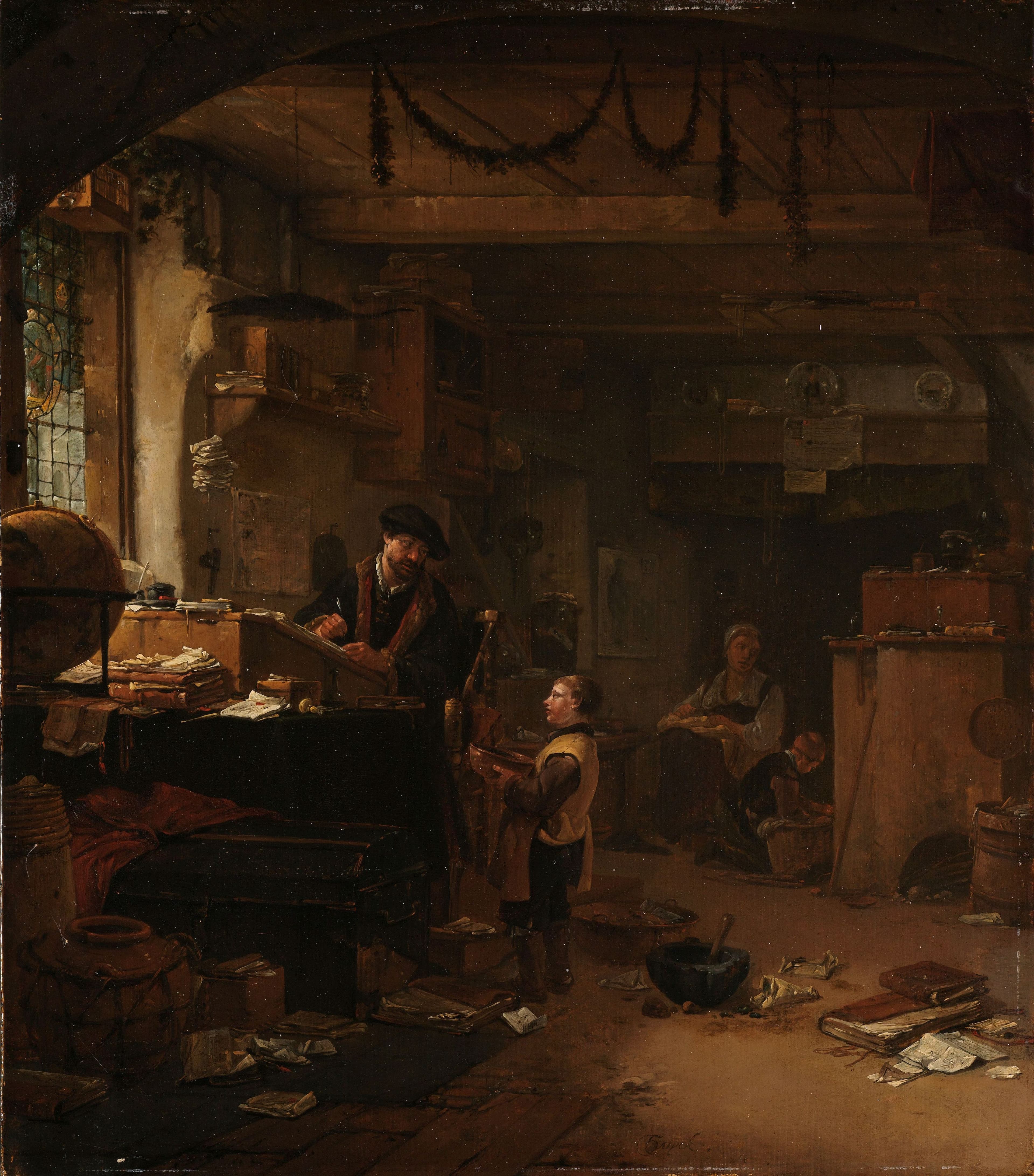
Historical importance
In late antiquity and the medieval world, alchemy sat close to what would later divide into chemistry, pharmacy, and natural philosophy. Its practitioners studied furnaces, vessels, distillation, mineral reactions, dyes, alloys, and remedies while also asking what transformation meant in a cosmos ordered by sympathy and correspondence.
That double life is part of what makes alchemy historically important. It preserved practical experimentation, but it also gave Europe and the Islamic world a symbolic vocabulary for purification, corruption, union, and rebirth. The laboratory and the inner life were not sharply separated.